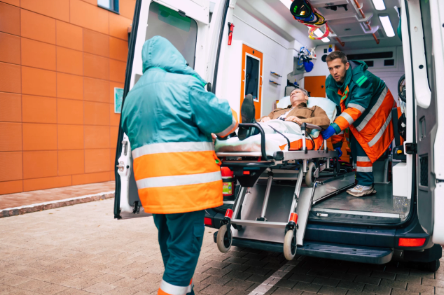
Severe injuries can happen without warning. Road accidents, workplace incidents, sports injuries, falls, and violent events can all lead to life threatening trauma that requires immediate medical attention. In these critical moments, Emergency Trauma Services play a decisive role in saving lives, preventing complications, and improving recovery outcomes. Access to rapid, specialized trauma care often makes the difference between survival and long term disability.
This article explores why trauma services are vital, how they function, and the impact they have on patients, families, and communities.
Understanding Severe Injuries and Trauma Care
Severe injuries refer to physical harm that poses an immediate risk to life or major body functions. These injuries often involve:
- Traumatic brain injuries
- Spinal cord damage
- Internal bleeding
- Multiple fractures
- Organ injuries
- Severe burns
- Penetrating wounds such as gunshots or stabbings
Unlike minor injuries, trauma cases require rapid diagnosis, advanced life support, and coordinated medical intervention. Trauma care teams are trained to act quickly under pressure, following structured protocols that prioritize airway, breathing, circulation, and neurological stability.
The Golden Hour: Why Time Matters Most
One of the most important concepts in trauma medicine is the Golden Hour. This refers to the first 60 minutes after a severe injury occurs. Medical intervention within this window significantly increases survival chances.
During this time:
- Blood loss must be controlled
- Oxygen supply must be stabilized
- Brain swelling must be managed
- Organ damage must be assessed
- Emergency surgery may be required
Delays in treatment can lead to shock, organ failure, or irreversible brain damage. Emergency trauma teams are equipped to begin life saving procedures the moment a patient arrives.
Specialized Trauma Teams Save Lives
Severe injury care requires more than a general emergency response. Trauma services bring together multidisciplinary experts, including:
- Trauma surgeons
- Emergency physicians
- Neurosurgeons
- Orthopedic specialists
- Critical care nurses
- Respiratory therapists
- Radiology teams
Each specialist plays a defined role. While surgeons prepare for possible operations, emergency physicians stabilize vital signs. Radiology teams perform rapid imaging such as CT scans and X rays to detect internal injuries. This coordinated approach ensures no time is wasted in diagnosis or treatment.
See also: Fire Risk Assessment for Healthcare Facilities
Advanced Equipment and Infrastructure
Trauma facilities are designed for speed, precision, and critical care delivery. They include:
- Fully equipped resuscitation bays
- Immediate imaging technology
- On site surgical suites
- Blood banks
- Intensive care units
- Ventilator support systems
Access to this infrastructure allows trauma teams to move patients from assessment to surgery within minutes if required. An emergency trauma center is structured specifically to handle high severity cases 24 hours a day, ensuring patients receive uninterrupted care regardless of when an injury occurs.
Rapid Diagnosis Through Imaging
Internal injuries are not always visible. A patient may appear stable while suffering life threatening internal bleeding or organ damage. Fast imaging allows doctors to make immediate surgical decisions, reducing the risk of complications.
Trauma services rely on rapid imaging tools such as:
- CT scans for brain and organ injuries
- Ultrasound for internal bleeding
- MRI for spinal trauma
- Digital X rays for fractures
Emergency Surgery and Critical Interventions
Many trauma patients require urgent surgery. This may involve:
- Stopping internal bleeding
- Repairing damaged organs
- Relieving brain pressure
- Stabilizing fractures
- Treating chest injuries
Operating rooms in trauma facilities remain ready at all times. Surgical teams are trained to perform complex procedures under extreme time pressure. Without access to emergency surgical care, survival rates in severe trauma cases would drop significantly.
Intensive Monitoring After Stabilization
Treatment does not end after initial surgery or stabilization. Trauma patients often require close monitoring in intensive care units.
Critical care may include:
- Ventilator support
- Neurological monitoring
- Infection prevention
- Blood transfusions
- Organ function support
Rehabilitation and Long Term Recovery
Surviving severe trauma is only the first step. Many patients require months or years of rehabilitation.
Post trauma recovery may involve:
- Physical therapy
- Occupational therapy
- Speech therapy
- Psychological counseling
- Pain management
Early rehabilitation improves mobility, independence, and mental health outcomes. Trauma services often coordinate follow up care, ensuring patients transition smoothly from emergency treatment to recovery programs.
Psychological Impact of Severe Injuries
Trauma does not affect the body alone. Patients frequently experience emotional and psychological effects such as:
- Post traumatic stress disorder
- Anxiety and depression
- Sleep disturbances
- Fear of returning to normal activities
Community and Public Health Importance
Emergency trauma systems benefit entire communities, not just individual patients.
They help:
- Reduce mortality rates
- Improve disaster response readiness
- Support road safety initiatives
- Provide emergency training programs
- Strengthen healthcare infrastructure
Regions with strong trauma networks consistently report better survival outcomes from accidents and mass casualty events. A well equipped emergency trauma center also plays a critical role during natural disasters and large scale emergencies, managing multiple critical patients simultaneously.
Preparedness and Accessibility
Accessibility to trauma services is essential. Key preparedness factors include:
- 24/7 emergency availability
- Ambulance coordination
- Air transport services
- Rapid triage systems
- Skilled on call specialists
Technology and Innovation in Trauma Care
Modern trauma services continue to evolve through medical innovation.
Advancements include:
- AI assisted imaging analysis
- Robotic assisted surgery
- Tele trauma consultations
- Portable diagnostic devices
- Advanced blood clotting agents
When to Seek Trauma Emergency Care
Immediate trauma care is necessary if someone experiences:
- Loss of consciousness
- Severe head injury
- Heavy bleeding
- Difficulty breathing
- Chest pain after injury
- Suspected spinal damage
- Multiple fractures
- Deep burns or wounds
Conclusion
Severe injuries demand more than basic emergency treatment. They require speed, specialization, advanced infrastructure, and coordinated medical expertise. From the moment a patient arrives to long term rehabilitation, trauma services provide a complete continuum of life saving care. Their role extends beyond hospitals, strengthening public health systems and emergency preparedness across communities.
If you or a loved one ever faces a critical injury, immediate access to expert trauma care is essential. Sugar Land ER offers advanced emergency trauma support with experienced medical teams ready to respond when every second counts. Contact Sugar Land ER today for immediate assistance and trusted emergency care when it matters most.