In modern vehicles, air conditioning (AC) is no longer a luxury—it’s an essential feature that ensures comfort, safety, and even better vehicle performance. Whether you’re navigating through sweltering summer heat or trying to defog your windows on a rainy day, a properly functioning automotive air conditioning system can make a world of difference. Understanding how it works, common issues, and maintenance practices can help you enjoy a cooler, safer ride while prolonging the life of your AC system.
Understanding Automotive Air Conditioning
Automotive air conditioning systems are designed to remove heat and humidity from the vehicle cabin, providing a cool, comfortable environment for the driver and passengers. The system operates on the same fundamental principles as any other refrigeration system, involving the compression, condensation, expansion, and evaporation of a refrigerant to absorb and dissipate heat.
At the heart of the system are key components:
- Compressor: Often referred to as the heart of the AC system, the compressor pressurizes the refrigerant and circulates it through the system.
- Condenser: Located at the front of the vehicle, the condenser releases heat from the compressed refrigerant, transforming it from a gas into a high-pressure liquid.
- Expansion Valve/Orifice Tube: This component reduces the pressure of the liquid refrigerant, allowing it to evaporate inside the evaporator.
- Evaporator: Found inside the cabin, the evaporator absorbs heat from the air, cooling it before it’s blown through the vents.
- Receiver-Drier/Accumulator: This part removes moisture and debris from the refrigerant, protecting the system from damage.
- Blower Fan and Vents: These distribute the cooled air throughout the cabin for passenger comfort.
When all these components work together efficiently, your vehicle enjoys a consistent, refreshing airflow. However, even a small malfunction can significantly reduce cooling performance or lead to system failure.
See also: AI Business Strategy: Building Smarter, Scalable, and Future-Ready Companies
Why Automotive Air Conditioning Matters
Air conditioning in cars is more than just a comfort feature; it contributes to driver safety and overall vehicle performance:
- Comfort in Extreme Weather: High temperatures can make driving uncomfortable and even dangerous. Proper AC use reduces fatigue and improves focus on the road.
- Defogging and Dehumidification: AC systems remove moisture from the air, which helps to quickly defog windows during rain or cold weather, improving visibility.
- Protecting Vehicle Interiors: Continuous exposure to heat and UV rays can damage upholstery and dashboard materials. AC helps regulate interior temperatures and prevent premature wear.
- Health Benefits: Properly maintained AC systems improve air quality inside the vehicle, reducing allergens, dust, and harmful particulates.
In short, a reliable automotive air conditioning system is crucial not only for comfort but also for safety and vehicle longevity.
Common Automotive Air Conditioning Problems
Like any mechanical system, automotive AC units can experience issues over time. Here are some common problems that drivers might encounter:
- Weak Airflow or No Cooling: This could result from low refrigerant levels, a clogged air filter, or a failing compressor. Regular checks can prevent this.
- Unusual Noises: Grinding, squealing, or hissing sounds often indicate issues with the compressor, belt, or refrigerant leaks.
- Refrigerant Leaks: Over time, seals and hoses can degrade, causing refrigerant to leak. A leak not only reduces cooling efficiency but can also harm the environment.
- Electrical Problems: Faulty wiring, blown fuses, or a malfunctioning control panel can prevent the AC from turning on or adjusting temperatures correctly.
- Bad Odors: Musty or moldy smells from the vents usually indicate microbial growth in the evaporator or clogged drainage, which can be fixed with proper cleaning.
Being aware of these potential problems can help car owners recognize issues early, avoiding expensive repairs down the road.
Maintaining Your Automotive Air Conditioning System
Proper maintenance is key to keeping your AC system in peak condition. Here’s a step-by-step guide to effective upkeep:
1. Regularly Inspect and Replace Air Filters
The cabin air filter cleans the air entering the vehicle interior. Over time, dust and debris accumulate, restricting airflow and reducing cooling efficiency. Replace filters every 12,000 to 15,000 miles or as recommended in your vehicle’s manual.
2. Check Refrigerant Levels
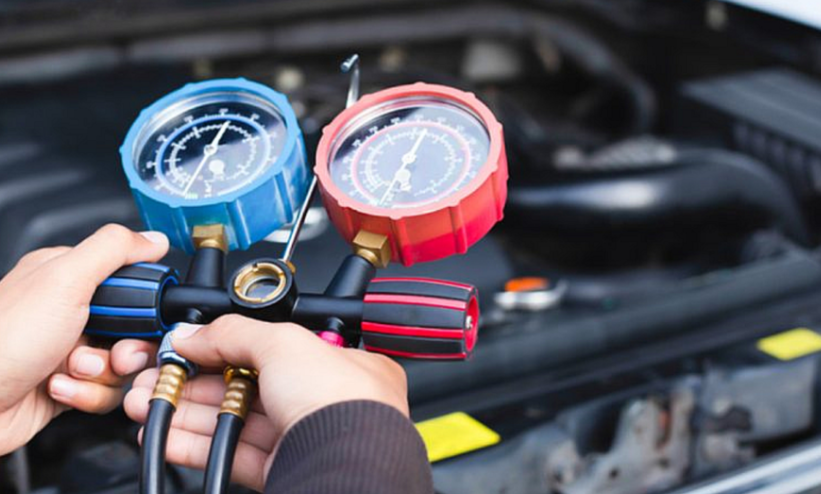
Low refrigerant is a common cause of weak cooling. Many modern vehicles use R-134a or R-1234yf refrigerants. It’s important to use the correct type and maintain proper levels. Adding refrigerant should be done by a certified technician to avoid overfilling and system damage.
3. Inspect AC Belts and Hoses
Belts drive the compressor, while hoses circulate the refrigerant. Cracks, fraying, or leaks can lead to system failure. Regular inspections during routine maintenance can prevent unexpected breakdowns.
4. Clean the Condenser
The condenser is exposed at the front of the vehicle and can accumulate dirt, leaves, and bugs. Cleaning it periodically ensures proper airflow and heat dissipation, improving cooling efficiency.
5. Run the AC Regularly
Even in cooler months, running the AC occasionally keeps the system lubricated and prevents seals from drying out. Short drives with AC use help maintain overall system health.
6. Check for Unusual Sounds and Odors
Pay attention to new noises or odors when operating the AC. Early detection of issues can save money and prevent further damage.
Tips for Maximizing AC Efficiency
Beyond regular maintenance, car owners can take several steps to enhance the performance of their automotive air conditioning system:
- Park in Shade or Use Sunshades: Reducing the interior temperature before starting the vehicle reduces the load on the AC.
- Use Recirculation Mode: This mode cools the interior faster and maintains lower temperatures by reusing already cooled air.
- Avoid Blocking Vents: Ensure that the airflow from vents is unobstructed by bags or seat covers.
- Gradually Reduce Temperature: Instead of blasting the AC to maximum, gradually lowering the temperature reduces strain on the system and improves fuel efficiency.
- Professional Servicing: Schedule AC servicing every 2–3 years, which includes refrigerant recharge, system inspection, and performance testing.
Choosing the Right Automotive AC Repair Services
When it comes to repairs, choosing a reliable service provider is crucial. Look for certified technicians with experience in automotive AC systems. Ensure that they use high-quality refrigerants and replacement parts, provide warranties, and have positive customer feedback.
Modern vehicles may have complex AC systems integrated with climate control, hybrid systems, or electric compressors. Choosing a technician familiar with these advanced systems ensures precise diagnostics and effective repairs.
Environmental Considerations
Automotive AC systems use refrigerants that can impact the environment if leaked. Newer vehicles are designed with eco-friendly refrigerants, but it’s still vital to handle them responsibly. Certified technicians follow environmental regulations when disposing of or recycling refrigerants, helping reduce greenhouse gas emissions.
Additionally, properly maintained AC systems operate more efficiently, reducing fuel consumption and carbon footprint.
Conclusion
Automotive air conditioning is more than a luxury feature—it is a necessity for comfort, safety, and vehicle longevity. From understanding how the system works to recognizing common issues and performing regular maintenance, car owners can ensure optimal performance of their AC units. Paying attention to refrigerant levels, filters, belts, and overall system health prevents breakdowns and expensive repairs.
Whether it’s a scorching summer day or a foggy winter morning, a well-maintained AC system keeps the cabin environment pleasant and safe for all passengers. Investing time and resources into your automotive air conditioning system pays off with a cooler, more comfortable, and more enjoyable driving experience.