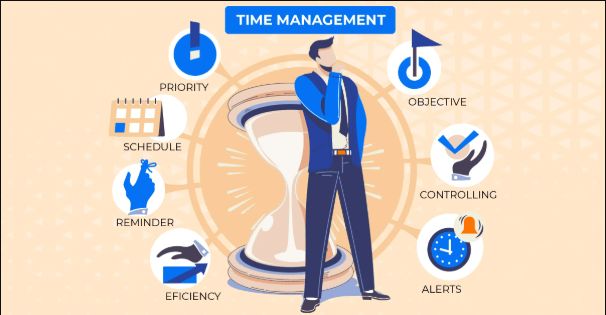
Executives face the constant challenge of balancing competing priorities while driving their teams toward ambitious goals. Effective time management is more than a skill—it’s essential for long-term success. By adopting these five strategies, leaders can streamline their schedules, boost productivity, and make room for strategic thinking.
Focus on High-Priority Tasks
Not all tasks hold equal importance, and successful leaders know how to prioritize effectively. Identifying high-value tasks allows executives to focus their energy on what matters most. A helpful tool is the Eisenhower Matrix, which categorizes tasks by urgency and importance. Delegating non-essential work or postponing tasks that are neither urgent nor important helps clear the way for impactful work, reducing wasted time on minor distractions. By staying intentional with how you prioritize, you can make better use of your time and focus on what truly drives results.
Set Clear Boundaries
Saying “no” is a critical skill for protecting your time. When you set clear boundaries, you can minimize unnecessary interruptions, meetings, or other commitments that can derail your day. This helps you stay focused on your most important responsibilities. For example, creating dedicated periods for deep, focused work allows leaders to tackle complex challenges and think more strategically. It’s not about isolating yourself, but rather about ensuring you have uninterrupted time for what matters most.
Use Technology Thoughtfully
Technology can boost productivity, but it can also create distractions if not managed well. Tools like Todoist and Google Calendar help organize tasks and schedules when used thoughtfully. However, too many notifications or back-to-back meetings can derail focus. It’s important to set boundaries, like scheduling time blocks for uninterrupted work or turning off non-essential notifications. Find a balance that keeps you on track while allowing space for deep work and creativity. Use technology purposefully to make your workflow simpler and more effective, not overwhelming. Small adjustments can make a big difference.
See also: Role of Online Business Listings in Local Search Engine Optimization Success
Learn From Successful Leaders
Many accomplished executives excel at time management. For example, Apple CEO Tim Cook is known for his disciplined routine, starting his day at 4 a.m. He begins by reading emails, reflecting on company priorities, and planning his schedule. By tackling important tasks early, Cook keeps his day focused and productive. Starting the morning with clarity allows him to handle challenges thoughtfully and stay ahead. His approach reminds us that a strong morning routine can set the tone for the rest of the day.
Regularly Reflect and Adjust
Effective time management isn’t just about planning—it’s about continual improvement. Weekly reviews help evaluate whether your time is aligned with both organizational goals and personal priorities. Reflecting on accomplishments and identifying areas for adjustment fosters a growth mindset, ensuring steady progress in balancing professional and personal responsibilities.
Arif Bhalwani Third Eye Capital CEO, highlights the value of regular reflection in leadership. Third Eye Capital provides customized financing and operational expertise, giving companies access to its extensive resources, relationships, and experience. Time management is an evolving process. By prioritizing tasks, setting boundaries, using technology wisely, learning from successful leaders, and reviewing their approach regularly, executives can enhance productivity and achieve a more balanced, effective way of working.